
London’s parks offer tranquil beauty, reflecting centuries of royal patronage and Victorian ideals, providing essential respite within the bustling metropolis.
A Green Escape in the City
Amidst London’s vibrant, often overwhelming urban landscape, its historical parks and gardens present a vital sanctuary. These green spaces aren’t merely aesthetic additions; they are integral to the city’s wellbeing, offering a peaceful retreat from the relentless pace of modern life.
Imagine strolling through ancient woodlands, relaxing beside serene lakes, or simply enjoying a quiet moment surrounded by meticulously cultivated flowerbeds. These parks provide opportunities for recreation, contemplation, and connection with nature. They are places where Londoners – and visitors alike – can recharge, find solace, and experience a sense of calm. The parks’ enduring popularity demonstrates their essential role in maintaining a balanced urban existence.
Brief History of Park Development in London
London’s parklands evolved from royal hunting grounds to publicly accessible green spaces over centuries. Initially, parks like Hyde Park were exclusive domains for the monarchy and aristocracy, used for recreation and display of power.
The Victorian era witnessed a significant shift, driven by social reform and a growing awareness of public health. New parks, such as Regent’s Park and St. James’s Park, were deliberately designed to provide accessible recreation for all classes. This period saw a flourishing of landscape architecture and horticultural expertise. Later developments focused on preserving existing natural areas and creating smaller, neighborhood parks, ensuring green spaces remained integral to London’s urban fabric.

Royal Parks: The Crown Jewels
These magnificent spaces, historically linked to royalty, represent London’s grandest parks, offering stunning landscapes and a rich cultural heritage.
Hyde Park: A Royal Playground
Hyde Park, one of London’s most famous green spaces, boasts a vibrant history stretching back to the 16th century. Originally a hunting ground for Henry VIII, it evolved into a popular destination for recreation and social gatherings. Today, it’s a sprawling 350-acre haven offering diverse experiences.
Speakers’ Corner remains a celebrated platform for free speech, while the Serpentine lake provides opportunities for boating and swimming. Numerous walking paths weave through the park’s varied landscapes, from formal gardens to wilder, more natural areas. Hyde Park continues to be a central hub for events, concerts, and simply enjoying a peaceful escape from city life.
History of Hyde Park
Initially seized by Henry VIII in 1536 from Westminster Abbey, Hyde Park was designated a royal hunting ground, primarily for deer and other game. Over the following centuries, it gradually transitioned from a private space to one accessible to the public, though still retaining strong royal connections.
Charles I allowed limited public access, and James II constructed a formal avenue. The 18th and 19th centuries witnessed significant landscaping improvements, including the creation of the Serpentine lake. Throughout its history, Hyde Park has been the backdrop for pivotal moments, from royal celebrations to large-scale political demonstrations, solidifying its place in London’s cultural narrative.
Key Features & Activities
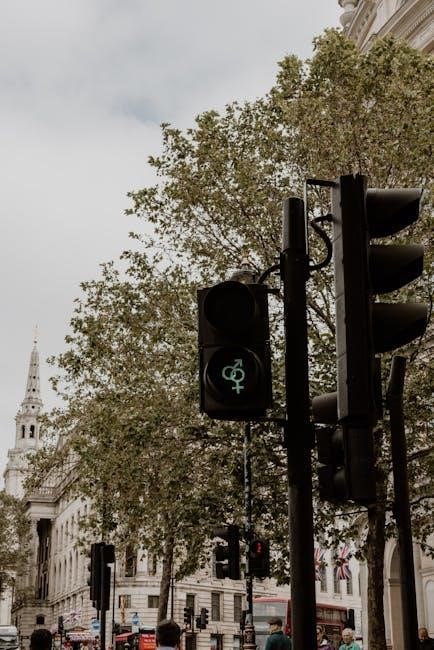
Hyde Park boasts numerous attractions, including the iconic Speaker’s Corner, a historic site for public debate and free speech. The Serpentine lake offers boating and swimming opportunities, while expansive meadows are perfect for picnics and relaxation.
Visitors can enjoy horse riding, tennis, and various sporting events. The park hosts large-scale concerts and festivals throughout the year, attracting diverse crowds. Diana, Princess of Wales’ Memorial Fountain provides a poignant tribute. Numerous walking and cycling paths weave through the park, offering scenic routes. It’s a vibrant hub for recreation and leisure, enjoyed by locals and tourists alike.
Kensington Gardens: From Royal Residence to Public Space
Originally part of Hyde Park, Kensington Gardens evolved from the private grounds of Kensington Palace, reflecting royal history and landscape design. Queen Victoria’s birth here cemented its significance. The gardens showcase Italian Gardens, with ornate sculptures and water features, offering a serene atmosphere.
The Albert Memorial, a grand tribute to Prince Albert, dominates the landscape. Broad walkways invite leisurely strolls, while secluded corners provide quiet contemplation. It’s a space where history and nature intertwine, offering a refined experience. The gardens provide a peaceful contrast to the city’s energy, attracting visitors seeking tranquility and beauty.
Kensington Palace & Gardens
Kensington Palace, a working royal residence, stands as a testament to centuries of British monarchy and architectural evolution. Its State Rooms display royal collections, offering glimpses into the lives of past and present royals. Surrounding gardens, meticulously maintained, provide a formal backdrop to the palace’s grandeur.
Sunken Gardens offer a peaceful retreat, while the East Front Gardens showcase seasonal floral displays. The palace’s history is interwoven with notable figures like Queen Victoria and Princess Diana. Visitors can explore exhibits detailing royal life and the palace’s rich heritage, experiencing a blend of history and horticultural beauty.
The Diana Memorial Playground
Inspired by the stories of Peter Pan, the Diana Memorial Playground in Kensington Gardens is a magical space designed for imaginative play. Its central feature is a large pirate ship, encouraging children to embark on adventures and explore their creativity. The playground incorporates sensory elements, with sand, water, and teepees, fostering a stimulating environment.
Surrounded by lush landscaping, the playground provides a safe and inclusive space for children of all abilities. It’s a tribute to Princess Diana’s belief in the importance of play and her connection with children. The playground offers a joyful and memorable experience for families visiting Kensington Gardens, embodying a spirit of fun and wonder.
Victorian Parks: Public Green Spaces
Victorian London saw parks created for all, offering accessible recreation and improving public health amidst rapid urban growth and industrialization.
Regent’s Park: A Masterpiece of Design
Regent’s Park, conceived by John Nash, exemplifies elegant urban planning, blending sweeping landscapes with architectural grandeur. Originally intended as a royal park for the Prince Regent, its design incorporated a stunning circular layout, influencing subsequent park developments.
The park’s meticulously planned avenues, gardens, and open spaces provide a harmonious environment for leisure and recreation. Nash’s vision included grand terraces, villas, and the iconic Regent’s Canal, seamlessly integrating the park with the surrounding cityscape.
Today, Regent’s Park continues to be a beloved destination, hosting open-air theatre, sporting events, and offering a peaceful escape from the city’s energy.
The Rose Garden
Within Regent’s Park lies a breathtaking Rose Garden, meticulously cultivated and showcasing an impressive collection of over 12,000 roses. Established in 1934, it’s renowned for its stunning displays of colour and fragrance, attracting visitors from across London and beyond.
The garden features a variety of rose types, including hybrid teas, floribundas, and climbing roses, arranged in symmetrical beds and borders. Its central fountain and surrounding lawns create a serene and romantic atmosphere, perfect for leisurely strolls and quiet contemplation.
Regularly maintained by skilled horticulturalists, the Rose Garden offers a vibrant spectacle throughout the blooming season, making it a true highlight of Regent’s Park.
London Zoo within Regent’s Park
Established in 1828, London Zoo is the world’s oldest scientific zoo, and a prominent attraction nestled within the beautiful Regent’s Park. Originally founded as a collection for scientific study, it has evolved into a leading conservation organisation and popular family destination.
The zoo houses a diverse range of animals, from majestic lions and tigers to playful penguins and fascinating reptiles. Its exhibits are designed to recreate natural habitats, providing enriching environments for the animals and immersive experiences for visitors.
London Zoo actively participates in global conservation efforts, working to protect endangered species and their habitats. It’s a place of learning, discovery, and a commitment to wildlife preservation.
St. James’s Park: Views of Buckingham Palace
St. James’s Park, a 57-acre royal park, lies in the heart of Westminster, offering stunning views of Buckingham Palace and Whitehall. Its history stretches back to Henry VIII, who established a deer park here, evolving over centuries into the picturesque landscape enjoyed today.
The park is renowned for its meticulously maintained flowerbeds, lush lawns, and tranquil lake, providing a haven for wildlife and a peaceful escape from the city’s bustle. It’s a favourite spot for locals and tourists alike, offering a picturesque setting for relaxation and recreation.
Regular events and performances take place within the park, adding to its vibrant atmosphere. It’s a truly iconic London landmark, steeped in history and natural beauty.
The Lake & Birdlife

The central feature of St. James’s Park is its beautiful lake, spanning over four acres. This serene waterway is home to a diverse array of birdlife, including pelicans, ducks, geese, and various waterfowl. The pelicans, a particularly iconic sight, have been residents of the park since 1664, originally gifted by the Russian Ambassador.
Visitors can enjoy leisurely strolls along the lake’s perimeter, observing the birds in their natural habitat. The lake also offers opportunities for peaceful contemplation and provides a stunning backdrop for photographs. Carefully placed islands and vegetation offer shelter and nesting sites for the park’s feathered inhabitants.
The lake’s ecosystem is carefully managed to ensure the continued health and wellbeing of its bird population;
Floral Displays & Seasonal Changes
St. James’s Park is renowned for its spectacular floral displays, which change dramatically with the seasons. Throughout the year, vibrant bedding plants create stunning patterns and colours, offering a feast for the eyes. Spring brings a profusion of daffodils, tulips, and crocuses, while summer showcases bedding schemes with geraniums, petunias, and impatiens.
Autumn transforms the park with rich hues of chrysanthemums and seasonal shrubs, and even winter offers subtle beauty with evergreen displays and strategically placed winter flowering plants. The park’s horticultural team meticulously maintains these displays, ensuring a consistently high standard of presentation.

These displays provide a constantly evolving landscape, making each visit unique and memorable.
Hidden Gems & Lesser-Known Parks
Beyond the famous parks, London boasts numerous smaller, secluded green spaces offering unique charm and tranquility for peaceful exploration and discovery.
Richmond Park: Deer & Ancient Woodlands
Richmond Park, a National Nature Reserve, offers a remarkable escape to a wilder landscape within Greater London. Originally a royal hunting ground, established by Charles I in the 17th century, it remains the largest of London’s Royal Parks, spanning a vast 2,500 acres.
The park is famed for its herds of red and fallow deer, roaming freely across the grasslands and woodlands – a truly iconic sight. Ancient woodland areas provide a haven for diverse wildlife, and the park’s varied terrain includes hills offering panoramic views of the London skyline.
Visitors can enjoy walking, cycling, and horse riding, immersing themselves in the natural beauty and historical significance of this exceptional park. Isabella Plantation, a woodland garden within the park, is particularly renowned for its vibrant displays of azaleas and rhododendrons.
Hampstead Heath: Wild & Untamed
Hampstead Heath presents a strikingly different park experience – a vast, hilly expanse of largely unspoiled common land. Unlike the formally landscaped Royal Parks, the Heath retains a wonderfully wild and natural character, offering a sense of escape from the city’s constraints.
Covering 790 acres, it boasts ancient woodlands, swimming ponds, and Parliament Hill, providing breathtaking panoramic views of London. The Heath’s diverse habitats support a rich variety of wildlife, making it a haven for nature lovers.
Visitors can enjoy leisurely walks, picnics, and kite flying, embracing the Heath’s relaxed and informal atmosphere. Its rolling hills and hidden corners invite exploration, offering a unique and refreshing experience within the urban landscape. It’s a truly special place for those seeking tranquility and natural beauty.

Planning Your Visit

Enjoy London’s parks year-round; most are easily accessible by public transport, offering a peaceful retreat for all visitors and explorers.
Best Time to Visit
Spring (April-May) unveils London’s parks in full bloom, with vibrant floral displays and pleasant temperatures ideal for leisurely strolls and picnics. Summer (June-August) offers long, sunny days perfect for outdoor activities, though parks can be crowded. Autumn (September-October) presents a stunning spectacle of changing leaves, creating a picturesque atmosphere for exploration and photography.
Winter (November-March) provides a serene, quieter experience, though some gardens may have reduced opening hours. Consider visiting on weekdays to avoid peak crowds, regardless of the season; Check individual park websites for specific event schedules and seasonal attractions. Early mornings and late afternoons often offer the most peaceful moments within these green spaces.
Accessibility & Transportation
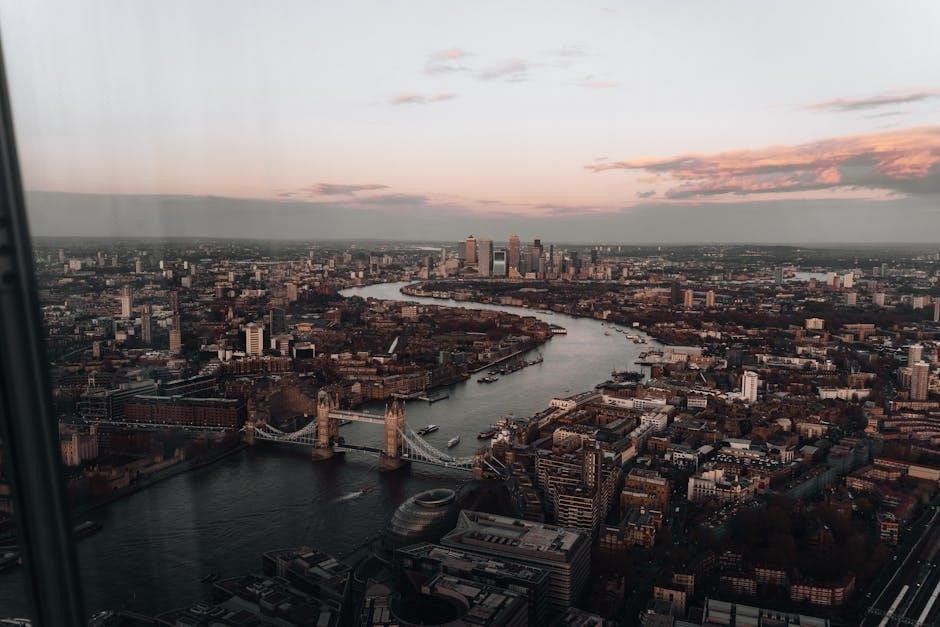
London boasts an extensive public transportation network, making its parks readily accessible. The Underground (Tube) is often the quickest option, with many stations located near park entrances. Buses also serve numerous parks, offering scenic routes. Consider using an Oyster card or contactless payment for convenient travel.
Many parks offer designated accessible pathways and facilities for visitors with mobility impairments. Check individual park websites for detailed accessibility information. Cycling is a popular way to explore, with cycle lanes and rental schemes available. Walking is, of course, a fantastic option, allowing you to fully immerse yourself in the park’s atmosphere. Plan your route in advance using online journey planners.