Corn Snake Feeding Guide: A Comprehensive Overview
Navigating corn snake nutrition requires understanding age-specific needs, prey selection, and recognizing feeding issues for a thriving reptile companion.
This guide details everything from hatchling pinkies to adult mouse sizes, ensuring optimal health and preventing common feeding problems.
Understanding Your Corn Snake’s Dietary Needs
Corn snakes are carnivores, meaning their diet consists entirely of whole prey items. Their digestive systems are specifically adapted to process bones, organs, and fur/feathers, providing essential nutrients.
A proper diet is crucial for growth, shedding, and overall health. Young, growing corn snakes require more frequent feedings to support their rapid development, while adults need less frequent meals to maintain a healthy weight.
Understanding your snake’s metabolism is key; factors like temperature and activity level can influence appetite. Providing appropriately sized prey is also vital – too small, and it lacks sufficient nutrition; too large, and it can cause regurgitation or digestive issues.
Essentially, mimicking their natural diet in the wild is the goal, offering a balanced and nutritious feeding plan tailored to their life stage.
Appropriate Prey Items for Corn Snakes
The primary food source for corn snakes is rodents, specifically mice. The size and type of mouse offered depend on the snake’s age and girth. Hatchlings begin with pinkies – newborn mice without fur – progressing to fuzzy mice as they grow.
Hopper mice, with some fur developing, and adult mice are suitable for larger corn snakes. Rats are generally too large for most corn snakes, though exceptionally large adults may be able to consume them.
Frozen/thawed mice are the safest and most recommended option, eliminating the risk of injury to the snake from live prey. Always ensure prey is completely thawed before offering.
Avoid feeding wild-caught rodents due to the risk of parasites and toxins. Consistent, high-quality frozen prey is the cornerstone of a healthy corn snake diet.
Hatchling & Juvenile Corn Snake Feeding (0-6 Months)
Young corn snakes require frequent, appropriately sized meals to support rapid growth. Hatchlings, from birth to around three months, typically consume pinkies every 5-7 days. Monitor the snake’s body condition; a slight bulge after feeding is ideal, indicating a proper meal size.
As they approach four to six months, transition to fuzzy mice. This is crucial as pinkies lack sufficient nutrition for continued development. Observe for a noticeable lack of a bulge after feeding a pinky – a sign it’s time to upgrade.
Offer food in a quiet, undisturbed environment. Avoid handling immediately before or after feeding to prevent regurgitation. Consistent feeding schedules are vital during this growth phase.
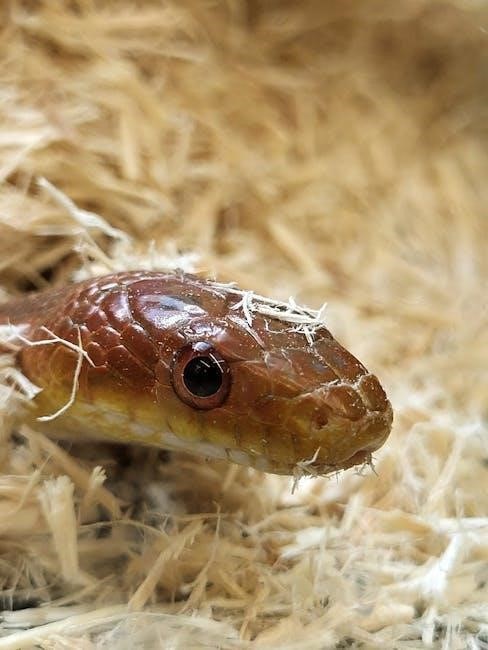
Feeding Frequency for Young Corn Snakes
Determining the correct feeding frequency for young corn snakes is paramount for healthy development. Generally, hatchlings (0-3 months) thrive on a diet of pinkies offered every 5-7 days. This frequent feeding supports their rapid growth rate during this critical period.
As they mature (3-6 months), you can gradually extend the interval to 7-10 days, coinciding with the transition to fuzzy mice. Individual metabolism plays a role; observe your snake’s body condition. A healthy weight gain, without excessive fat accumulation, indicates an appropriate schedule.
Avoid overfeeding, as it can lead to obesity and health complications. Consistent monitoring and adjustments based on your snake’s needs are key to optimal growth.
Pinkies vs. Fuzzy Mice: When to Transition
Knowing when to transition from pinkies to fuzzy mice is crucial for a growing corn snake’s nutritional needs and development. Initially, pinkies provide easily digestible sustenance for hatchlings. However, they lack the nutritional density required for sustained growth as the snake matures.
Observe your snake closely; once pinkies no longer create a noticeable bulge in the body after consumption, it’s time to upgrade. Fuzzy mice offer more substance and essential nutrients. This transition typically occurs around 3-6 months of age, but individual growth rates vary.
Introduce fuzzies gradually, ensuring the snake readily accepts the larger prey item. A smooth transition prevents regurgitation and feeding strikes;
Subadult Corn Snake Feeding (6-12 Months)
During the subadult phase (6-12 months), your corn snake experiences significant growth, demanding adjustments to its feeding regimen. This period requires a careful balance between providing adequate nutrition and preventing obesity.
Transitioning from fuzzy mice to hoppers is generally appropriate, increasing prey size to match the snake’s expanding body. Monitor weight and body condition closely; a healthy snake should have a slightly rounded, but not overly plump, appearance.
Feeding frequency can begin to slightly decrease, moving towards every 7-10 days. Observe your snake’s shedding and overall activity levels as indicators of proper nutrition. Adjust prey size and frequency based on individual needs.
Increasing Prey Size: From Fuzzy to Hopper
Successfully transitioning from fuzzy mice to hoppers is a crucial step in your corn snake’s development, ensuring continued healthy growth. This upgrade provides increased nutritional value to support their expanding size and activity levels.
Look for signs your snake is ready – no noticeable bulge after consuming a fuzzy, and enthusiastic feeding response. Introduce the hopper mouse, observing if it’s accepted readily. If refusal occurs, revert to fuzzies for another week or two before re-attempting.
Hopper mice are larger, so ensure your snake can comfortably consume them without regurgitation. Monitor their body condition; a slight bulge is acceptable, but excessive fullness indicates the prey is too large. Gradual increases are key to a smooth transition.
Monitoring Weight and Body Condition
Regularly assessing your corn snake’s weight and body condition is vital for detecting potential health issues and adjusting their feeding plan accordingly. Consistent monitoring ensures they’re receiving adequate nutrition without becoming overweight.
Weigh your snake monthly, recording the weight to track growth trends. A healthy corn snake should have a slightly rounded, but not overly plump, body shape. Feel along their spine; you should be able to gently feel the vertebrae without excessive fat covering.
Look for a defined separation between the head and body. A noticeable bulge after feeding is normal, but should subside within 24-48 hours. Significant weight loss or a consistently thin appearance warrants a veterinary visit. Adjust feeding frequency or prey size based on these observations.
Adult Corn Snake Feeding (12+ Months)
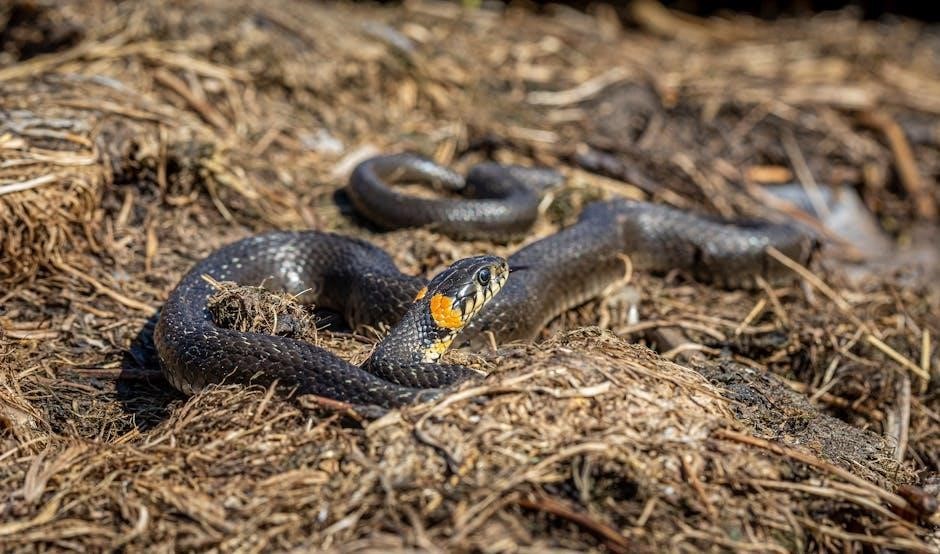
Once your corn snake reaches maturity, typically after 12 months, their feeding schedule and prey size will stabilize, but still require observation. Adult corn snakes generally thrive on a less frequent feeding regimen compared to younger, rapidly growing individuals.
An optimal feeding schedule for adults usually involves offering one appropriately sized mouse every 10-14 days. The size should be roughly equivalent to the widest part of their body. Monitor their body condition closely; adjust the interval if they appear to be gaining or losing weight.
Individual metabolism varies, so some snakes may require slightly more or less food. Pay attention to their overall health and adjust accordingly. Consistent weight checks are crucial for maintaining a healthy adult corn snake.
Optimal Feeding Schedule for Adults
Establishing a consistent feeding schedule is key for adult corn snakes, generally those over a year old, promoting digestive health and predictable behavior. A typical and widely recommended schedule involves offering one appropriately sized prey item every 10 to 14 days.
This interval allows for complete digestion and prevents overfeeding, which can lead to obesity. However, this is a guideline, and individual snakes may have varying metabolic rates. Observe your snake’s body condition – a slight rounding of the abdomen is healthy, but excessive fat should be avoided.
Stick to a regular day of the week for feeding to help regulate their internal clock. Consistency minimizes stress and potential feeding refusals. Remember to always offer food in a quiet, undisturbed environment.
Adjusting Feeding Based on Individual Metabolism
While a standard feeding schedule exists, each corn snake possesses a unique metabolism requiring personalized adjustments for optimal health. Some snakes may thrive on a 14-day cycle, while others require food every 10 days to maintain a healthy weight.
Monitor your snake’s body condition closely. Weight loss or a noticeably thinner appearance indicates a need to increase feeding frequency or prey size. Conversely, excessive fat reserves suggest reducing food intake. Regular weighing (monthly) provides objective data, but visual assessment is also crucial.
Environmental factors like temperature can influence metabolism; warmer temperatures may increase appetite, while cooler temperatures can decrease it. Adjust feeding accordingly. Observe your snake’s behavior – a consistently refused meal warrants investigation and potential schedule modification.
Prey Size and Weight Guidelines
Selecting appropriately sized prey is paramount to prevent regurgitation, impaction, and ensure proper digestion for your corn snake. A general rule is the prey item’s girth should be no larger than the widest part of the snake’s body.
Hatchlings begin with pinkies, typically weighing 1-3 grams. As they grow, transition to fuzzy mice (3-7 grams), then hopper mice (7-12 grams), and eventually adult mice (15-30+ grams). Weight is more important than length.
Observe your snake during feeding; slight difficulty swallowing is acceptable, but excessive strain indicates the prey is too large. Always offer prey that is pre-killed (frozen/thawed) to avoid injury. Consistent monitoring of weight and body condition will help refine prey size selection.
Thawing Frozen/Defrosting Prey
Proper thawing of frozen prey is crucial for palatability and to avoid bacterial contamination, ensuring your corn snake receives a safe and nutritious meal. Never thaw prey at room temperature, as this encourages bacterial growth.
The safest method is to thaw in the refrigerator overnight. For quicker thawing, place the sealed prey in a plastic bag and submerge it in lukewarm water, changing the water every 15-20 minutes until fully thawed.
Ensure the prey is completely thawed before offering it to your snake; a slightly cool core is acceptable. Never microwave prey, as uneven heating can create dangerous hot spots. Always discard any prey that hasn’t been fully thawed or shows signs of spoilage.
Live vs. Frozen/Thawed Feeding
While some keepers historically offered live prey, frozen/thawed (F/T) feeding is now widely recommended for corn snakes due to safety and ethical considerations. Live prey can injure your snake, especially during feeding, causing severe wounds.
F/T prey eliminates this risk and is generally more convenient. Most corn snakes readily accept F/T meals, especially when introduced early in life. If your snake is accustomed to live prey, transitioning to F/T may require patience and techniques like scenting the prey with a live mouse or using tongs.
Offering live prey should be a last resort, and always supervised to prevent injury. Prioritize F/T feeding for a healthier and safer feeding experience for your corn snake.
Recognizing Feeding Problems & Refusal
Occasional feeding refusal is normal in corn snakes, often linked to shedding, temperature fluctuations, or breeding cycles. However, prolonged refusal—lasting weeks—signals a potential problem requiring investigation.
Common reasons include incorrect temperatures (too cold hinders digestion), stress from handling or enclosure changes, or underlying health issues. Ensure proper heating and a secure environment. A retained shed can also cause discomfort and refusal.
If refusal persists, consult a reptile veterinarian to rule out illness. Avoid repeatedly offering food, as this can worsen the issue. Gentle encouragement, like scenting the prey, might help, but respect your snake’s boundaries.
Common Reasons for Feeding Strikes
Feeding strikes in corn snakes are frequently triggered by environmental stressors or physiological changes. Shedding is a primary cause, as snakes often refuse meals when their vision is obscured. Temperature inconsistencies—too cold or too hot—can disrupt digestion and appetite.
Recent handling or enclosure rearrangements can induce stress, leading to temporary refusal. Changes in prey type or size, if too drastic, may also cause hesitation. Hormonal fluctuations during breeding season are another common factor, particularly in males pursuing females.
Less frequently, underlying health problems like respiratory infections or parasites can suppress appetite. Always rule out medical issues with a vet if a strike persists beyond a reasonable timeframe.
Troubleshooting Feeding Issues
When a corn snake refuses a meal, a systematic approach is crucial. First, verify proper temperature gradients within the enclosure, ensuring a warm basking spot. Gently offer the prey again in a few days, varying the presentation method—tong-feeding versus leaving it in the enclosure.
Scenting the prey with a different rodent or a small piece of chicken can sometimes stimulate interest. If the snake is shedding, allow it to complete the process before attempting to feed. Reduce handling immediately before and after offering food to minimize stress.
If strikes continue, consult a veterinarian to rule out underlying health concerns. Avoid force-feeding, as this can create aversion and potentially cause injury.
Supplements and Vitamins
Generally, a healthy corn snake receiving appropriately sized, whole prey items doesn’t require routine vitamin or mineral supplementation. Whole prey naturally provides a complete nutritional profile, including calcium and essential vitamins. However, certain situations may warrant consideration.
If a snake has a prolonged period of refusing food, or if there are concerns about calcium absorption (especially in growing juveniles or breeding females), a reptile calcium supplement with D3 can be beneficial. Dusting prey lightly with the supplement once a month is usually sufficient.
Avoid over-supplementation, as excessive vitamins can be harmful. Consult with a reptile veterinarian before starting any supplementation regimen to ensure it’s appropriate for your snake’s individual needs.
Feeding Environment and Handling
Creating a calm and secure feeding environment is crucial for successful feeding. Minimize disturbances during feeding time; avoid loud noises or excessive movement near the enclosure. A dedicated feeding container can help associate that space with food, reducing substrate ingestion.

Handle your corn snake minimally for at least 48 hours before and after feeding to prevent regurgitation. Stress can significantly impact digestion. Offer the prey item using tongs to avoid accidental bites, but avoid wiggling it excessively, which can trigger a predatory response without intent to eat.
Ensure the enclosure temperature is within the appropriate range to aid digestion. A comfortable snake is more likely to accept a meal.
Long-Term Feeding Considerations
Maintaining a consistent feeding schedule and monitoring your corn snake’s body condition are vital for long-term health. As snakes age, their metabolism naturally slows, potentially requiring less frequent meals. Observe for weight gain or loss, adjusting prey size or frequency accordingly.
Be prepared for occasional fluctuations in appetite, especially during shedding or seasonal changes. Brief periods of fasting are normal. However, prolonged refusal to eat (over a month) warrants veterinary attention.
Continue to offer appropriately sized prey to prevent regurgitation or impaction. A healthy weight and firm body are indicators of a well-managed diet throughout the snake’s life.
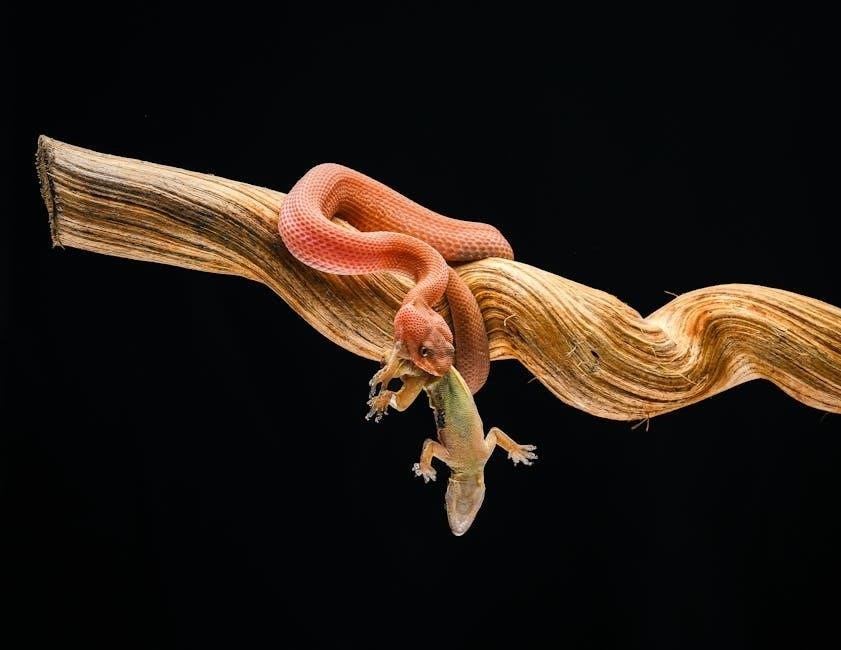
Tracking Feeding History
Maintaining a detailed feeding log is crucial for identifying patterns and addressing potential health concerns in your corn snake. Record each feeding, noting the date, prey type (pinky, fuzzy, mouse size), weight of the prey item, and your snake’s response – whether it ate readily, hesitantly, or refused.
This record allows you to pinpoint any changes in appetite or preferences, which could signal underlying issues. Track weight fluctuations alongside feeding data to assess overall health.
Utilize a notebook, spreadsheet, or dedicated reptile care app for easy organization. Consistent tracking empowers proactive care and facilitates informed discussions with a veterinarian if needed.