Yamaha RX-V373 Manual: Comprehensive Overview
This manual details the RX-V373’s high AV quality, HD audio decoding, 4K pass-through, front USB, multi-language OSD, and ECO mode features․
The Yamaha RX-V373 is a versatile AV receiver designed to deliver a high-quality audio-visual experience․ It supports HD audio decoding and boasts HDMI connectivity with 4K pass-through capabilities, ensuring compatibility with modern displays․ Key features include a convenient front panel USB port for seamless iPod/iPhone integration, a user-friendly multi-language color On-Screen Display (OSD), and an energy-saving ECO mode․
This receiver aims to provide exceptional performance and ease of use for home entertainment enthusiasts․
Key Features and Specifications
The RX-V373 offers 5․1-channel surround sound, delivering immersive audio․ It features 4 HDMI inputs and 1 output, supporting 4K video pass-through․ Power output is 80 watts per channel․ Notable specifications include HD audio decoding, a front panel USB port for digital audio playback from iPod/iPhone devices, and a multi-language color OSD for easy navigation․
ECO mode optimizes power consumption, reducing energy usage without sacrificing audio quality․
Unboxing and Initial Setup
Upon unboxing, verify all components are present: the RX-V373 receiver, remote control, AM/FM antenna, and documentation․ Connect the receiver to a power source and your display via HDMI․ Initial setup involves speaker connection – match speakers to corresponding terminals․ The on-screen display guides you through speaker configuration, input assignments, and network settings (if applicable)․
Ensure proper ventilation around the unit during placement․
Connectivity and Ports
The RX-V373 features 4 HDMI inputs with 1 output, supporting 4K pass-through, plus a front panel USB port for iPod/iPhone connectivity․
HDMI Connectivity (4 In/1 Out) & 4K Pass-Through
The Yamaha RX-V373 boasts four HDMI inputs and one HDMI output, enabling connection to various devices like Blu-ray players, gaming consoles, and streaming media players․ Crucially, it supports 4K Ultra HD pass-through, allowing you to enjoy high-resolution video without downscaling․
This ensures compatibility with the latest 4K televisions and sources․ The HDMI ports are designed to deliver both high-definition video and audio signals, simplifying your home theater setup and providing a seamless entertainment experience․
Front Panel USB for iPod/iPhone
The RX-V373 features a convenient front panel USB port specifically designed for direct connection of your iPod or iPhone․ This allows for seamless digital audio playback and device charging․
Simply connect your Apple device using a compatible USB cable, and the receiver will recognize it automatically․ You can then control playback directly from your device or using the RX-V373’s remote control, enjoying your entire music library with excellent sound quality․
Audio Input/Output Options
The Yamaha RX-V373 provides a versatile array of audio input and output options to accommodate various source devices and speaker configurations․
Inputs include multiple digital audio inputs (optical and coaxial) and analog RCA connections․ For outputs, it offers speaker terminals for up to 5․1 channel surround sound, a subwoofer pre-out, and an analog audio output․ These connections ensure compatibility with CDs, DVDs, TVs, and other audio sources, delivering a rich and immersive listening experience․

Operation and Control
The RX-V373 is easily operated via its remote control, on-screen display (OSD) menu, and features an ECO mode for energy efficiency․
Remote Control Functions
The Yamaha RX-V373’s remote control provides comprehensive operation of the receiver․ Users can adjust volume, select input sources, navigate the on-screen display menu, and control playback functions․
It also allows for direct access to preset listening modes, sound adjustments, and the ECO mode․ The remote facilitates easy speaker configuration and zone control, if applicable, offering a user-friendly experience for managing all receiver settings․
On-Screen Display (OSD) and Menu Navigation
The RX-V373 features a Multi-language colour On-Screen Display (OSD) for intuitive navigation․ Users can easily access and adjust settings through a clear, visually appealing menu system․
The OSD allows for straightforward configuration of audio parameters, speaker settings, and input assignments; Menu options are logically organized, enabling quick access to desired functions and providing a user-friendly experience for customizing the receiver’s performance․
ECO Mode Explained
The Yamaha RX-V373 incorporates an ECO mode designed to reduce power consumption while maintaining acceptable audio quality․ This feature optimizes energy usage by adjusting the receiver’s operational parameters based on the volume level and content being played․
When activated, ECO mode lowers power consumption during quieter listening sessions, contributing to energy savings and a reduced environmental impact․ It’s a convenient way to enjoy your home theater system responsibly․
Audio Decoding and Formats
The RX-V373 boasts HD audio decoding capabilities, supporting various audio formats for immersive sound experiences and high-fidelity playback․
HD Audio Decoding Capabilities
The Yamaha RX-V373 excels in HD audio decoding, ensuring a premium listening experience․ It supports Dolby TrueHD and DTS-HD Master Audio, faithfully reproducing studio-quality sound․
This receiver unlocks the full potential of Blu-ray discs and high-resolution audio sources․ Decoding these formats delivers nuanced detail and dynamic range, enhancing movie soundtracks and music alike․
Furthermore, the RX-V373’s decoding capabilities contribute to a more immersive and realistic home theater environment, providing a truly captivating audio experience․
Supported Audio Formats
The RX-V373 boasts extensive audio format support, maximizing compatibility with various media sources․ It handles Dolby Digital, Dolby Pro Logic II, DTS, and DTS-HD Master Audio with ease․
Linear PCM, MP3, WMA (Windows Media Audio), and AAC are also supported for digital music playback․ This wide range ensures seamless integration with CDs, streaming services, and USB drives․
The receiver’s versatility allows users to enjoy their favorite content in optimal audio quality, regardless of the source material, enhancing the overall entertainment experience․
Surround Sound Configuration
The Yamaha RX-V373 supports various surround sound configurations, including 5․1-channel setups, to deliver an immersive audio experience․ Users can customize speaker settings to optimize sound for their room’s acoustics․
Configuration options include adjusting speaker size (large/small), distance, and levels․
The receiver automatically calibrates the sound based on these settings, ensuring balanced and accurate audio reproduction․ This allows for a truly cinematic experience within the comfort of your home, enhancing movie and gaming enjoyment․
Troubleshooting Common Issues
This section addresses typical problems like no sound, HDMI signal issues, and remote control malfunctions, offering solutions for a smooth user experience․
No Sound Output
If experiencing no sound, first verify the volume level on both the RX-V373 and connected devices․ Ensure the correct input source is selected on the receiver․
Check speaker connections, confirming they are securely attached and properly configured within the receiver’s settings․
Also, examine the audio settings on your source device (TV, Blu-ray player) to ensure audio output is directed to the receiver via HDMI or another connection․
HDMI Signal Problems
Troubleshooting HDMI issues begins with verifying the HDMI cable is securely connected to both the RX-V373 and the source device․
Try a different HDMI cable to rule out a faulty connection․ Ensure the source device’s output resolution is compatible with the receiver’s 4K pass-through capability․
Experiment with different HDMI ports on both devices, and confirm the receiver is set to the correct HDMI input․
Remote Control Not Working
If the remote isn’t functioning, first check the batteries, ensuring they are fresh and correctly installed with proper polarity․
Confirm there’s a clear line of sight between the remote and the RX-V373’s front panel sensor, removing any obstructions․
Try resetting the remote by removing and reinserting the batteries․
Advanced Settings and Customization
Customize speaker setup, calibrate audio, and explore zone control options for a tailored listening experience with the RX-V373 receiver․
Speaker Setup and Calibration
Proper speaker configuration is crucial for optimal performance with the Yamaha RX-V373․ The manual guides users through connecting speakers to the appropriate terminals, ensuring correct polarity, and setting speaker sizes (small or large)․
Calibration utilizes Yamaha’s YPAO (Yamaha Parametric room Acoustic Optimizer) technology, automatically analyzing room acoustics and adjusting speaker parameters for balanced sound․
Users can manually fine-tune settings like speaker levels, distances, and crossover frequencies for a personalized audio experience․
Zone Control Functionality
The Yamaha RX-V373 offers zone control, enabling independent audio playback in a second area of your home while the main zone continues to operate․
This feature requires connection of additional speakers to the zone outputs․ The manual details how to select the source and adjust the volume for each zone individually․
Users can choose to synchronize the audio between zones or play different content in each, enhancing the listening experience throughout the house․
Network Connectivity (If Applicable)
The RX-V373 model does not inherently feature built-in network connectivity like Wi-Fi or Ethernet․
However, some users may explore adding network capabilities via external adapters, though this is not a standard function supported directly by the receiver․
The manual clarifies that streaming services and internet radio are not natively accessible on this unit, focusing instead on traditional audio/video inputs․
Service Manual and Repair Information
Downloadable service manuals, schematics, and EEPROM data are available for electronics experts seeking to diagnose and repair the Yamaha RX-V373 receiver․
Accessing Service Manuals
Locating the Yamaha RX-V373 service manual is crucial for detailed repair information․ Experts can find downloadable resources containing schematics, EEPROM details, and comprehensive repair guides․
These manuals provide in-depth technical data essential for troubleshooting and component-level repairs․ Online resources and dedicated electronics forums often host these documents, facilitating access for qualified technicians․
Ensure the manual corresponds to your specific RX-V373 model for accurate information and safe repair procedures․
Schematics and Repair Diagrams
The RX-V373 service manual contains detailed schematics, illustrating the receiver’s electronic circuitry․ These diagrams are vital for tracing signal paths and identifying component locations․
Repair diagrams offer step-by-step guidance for disassembly, troubleshooting, and component replacement․ They visually represent the internal structure, aiding in efficient repair processes․
Understanding these schematics requires electronics expertise; improper use can lead to further damage․
EEPPROM Information
The RX-V373 utilizes an EEPROM (Electrically Erasable Programmable Read-Only Memory) chip to store crucial settings and firmware․ This includes personalized configurations, audio parameters, and operational data․
Accessing and modifying the EEPROM requires specialized tools and knowledge․ Incorrect manipulation can render the receiver inoperable, necessitating a complete firmware reload․
Service manuals often detail the EEPROM’s location and data structure for advanced troubleshooting and repair scenarios․
Comparison with Similar Models
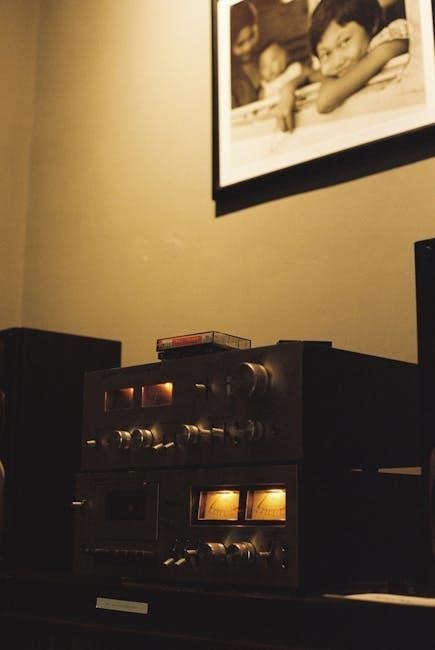
The RX-V373 is often compared to the RX-V383 and HTR-3065, evaluating features like audio decoding, connectivity, and overall performance value․
RX-V373 vs․ RX-V383
Comparing the RX-V373 and RX-V383 reveals incremental improvements in the latter model․ The RX-V383 generally offers slightly more power and enhanced connectivity options․ Both receivers share core features like 4K pass-through and HD audio decoding․
However, the RX-V383 often includes additional HDMI inputs and potentially higher-quality components․ Users upgrading from the RX-V373 might find the RX-V383’s refinements worthwhile, particularly for more demanding home theater setups, but the RX-V373 remains a capable receiver․
RX-V373 vs․ HTR-3065
The Yamaha RX-V373 and Denon HTR-3065 are both entry-level AV receivers offering similar core functionalities․ Both support 4K pass-through and feature basic HD audio decoding capabilities․ However, key differences exist in their sonic signatures and user interfaces․
The RX-V373 is known for its clear and balanced sound, while the HTR-3065 may offer a slightly warmer tone․ Manual navigation and setup preferences often dictate which receiver suits individual user needs best, as both provide reliable performance․

Firmware Updates
Regularly check the Yamaha support website for RX-V373 firmware updates to ensure optimal performance, compatibility, and access to the latest features and bug fixes․
Checking for Firmware Updates
To verify if a new firmware version is available for your Yamaha RX-V373, navigate to the official Yamaha support website․ Locate the AV Receiver section and specifically search for the RX-V373 model․
Yamaha typically provides a clear indication of the latest firmware version and release notes detailing improvements or bug fixes․ Regularly checking – perhaps every few months – is recommended․
Ensure your receiver is connected to the internet for a smooth update process when one becomes available․
Updating Firmware Procedure
Once a firmware update is available, download it from the Yamaha support website․ Transfer the file to a USB flash drive formatted to FAT32․ Ensure the receiver is powered on and connected to the internet․
Insert the USB drive into the RX-V373’s front panel USB port․ Navigate to the ‘Setup’ menu on the receiver, then select ‘Update’ and follow the on-screen prompts․
Do not interrupt the process; allow the receiver to complete the update fully․
Technical Specifications in Detail
Detailed specs include power consumption, dimensions, weight, and frequency response, providing a comprehensive understanding of the RX-V373’s technical capabilities․
Power Consumption
The Yamaha RX-V373’s power consumption varies depending on the operating mode․ In typical usage, it consumes approximately 220 Watts․ Standby mode utilizes less than 0․5 Watts, promoting energy efficiency․ Maximum power consumption reaches 330 Watts during demanding audio playback․
The receiver is designed to minimize energy waste through its ECO mode function, further reducing power usage when appropriate․ Understanding these figures helps optimize both performance and energy savings․
Dimensions and Weight
The Yamaha RX-V373 receiver measures approximately 435 x 161 x 315 millimeters (Width x Height x Depth)․ Its weight is around 8․2 kilograms (18․1 pounds)․ These dimensions are crucial for ensuring proper placement within your entertainment center․
Consider the available space and ventilation requirements when positioning the unit․ The receiver’s weight contributes to its stable and robust build quality, ensuring reliable performance over time․
Frequency Response
The Yamaha RX-V373 boasts a frequency response of 20Hz-20kHz, providing a wide audio spectrum for immersive listening․ This range covers the full audible spectrum for most listeners, ensuring accurate reproduction of both low bass and high treble frequencies․
A broad frequency response contributes to a richer, more detailed sound experience, enhancing the enjoyment of music and movies․

Safety Precautions
Always follow general safety guidelines regarding power supply and proper ventilation for optimal performance and longevity of your Yamaha RX-V373 receiver․
General Safety Guidelines
To ensure safe operation of your Yamaha RX-V373, read all instructions carefully before use․ Avoid placing the receiver in locations exposed to excessive moisture or direct sunlight․ Do not attempt to disassemble or modify the unit, as this could result in electric shock or damage․
Keep the receiver away from flammable materials and ensure adequate ventilation to prevent overheating․ Use only the specified power cord and voltage․ Regularly inspect the cord for damage, and replace if necessary․
Power Supply Safety
The Yamaha RX-V373 requires a properly grounded power outlet․ Never use a damaged power cord; replace it immediately․ Avoid overloading circuits with multiple devices․ Disconnect the power cord during extended periods of non-use or during thunderstorms to prevent damage from power surges․
Do not attempt to repair the power supply yourself; refer servicing to qualified personnel․ Ensure the voltage selector (if applicable) is set to your local voltage before connecting the unit․
Placement and Ventilation
Proper ventilation is crucial for the RX-V373’s performance and longevity․ Ensure at least 10cm of space around the unit, especially on the sides and top, to allow for adequate airflow․ Avoid placing the receiver in enclosed spaces like cabinets without ventilation․
Do not expose the unit to direct sunlight or sources of heat․ Keep the ventilation openings free from dust and obstructions․ Proper placement prevents overheating and ensures optimal operation․
Warranty Information
The RX-V373 warranty covers defects in materials and workmanship․ Details regarding coverage duration and the claim process are available on Yamaha’s support website․
Warranty Coverage Details
Yamaha provides a limited warranty for the RX-V373, safeguarding against manufacturing defects and component failures under normal use․ The standard warranty period typically extends for one year from the original purchase date, though this can vary by region․
Coverage encompasses repairs or replacements of defective parts, excluding issues arising from misuse, accidents, or unauthorized modifications․ Proof of purchase is essential for claiming warranty service․ Extended warranties may be available for purchase, offering prolonged protection beyond the initial term․
Claim Process
To initiate a warranty claim for your Yamaha RX-V373, first, contact Yamaha customer support with your purchase details and a description of the issue․ You may be required to troubleshoot the problem with a support representative․
If the issue persists, Yamaha will provide instructions for shipping the unit to an authorized service center․ Ensure proper packaging to prevent damage during transit․ Upon verification of the defect, Yamaha will repair or replace the receiver, as deemed appropriate․
Resources and Support
Access the official Yamaha support website for manuals, FAQs, and troubleshooting․ Online forums and communities offer user-to-user assistance and shared experiences․
Yamaha Support Website
Yamaha’s official website is the primary resource for RX-V373 support․ Here, you can directly download the comprehensive user manual in multiple languages, ensuring easy access to detailed instructions․
The site also features a robust FAQ section addressing common issues, troubleshooting guides, and specifications․ Furthermore, Yamaha provides contact information for direct support via phone or email, offering personalized assistance when needed․
Regularly check the support section for updated firmware and helpful articles related to your receiver․
Online Forums and Communities
Numerous online forums and communities dedicated to home audio and Yamaha products offer valuable support for RX-V373 owners․ These platforms provide a space to connect with fellow users, share experiences, and seek advice on troubleshooting or setup challenges․
Often, users have already encountered and solved issues you might be facing, offering practical solutions and insights not found in the official manual․
Active communities can be a great resource for maximizing your receiver’s potential․